


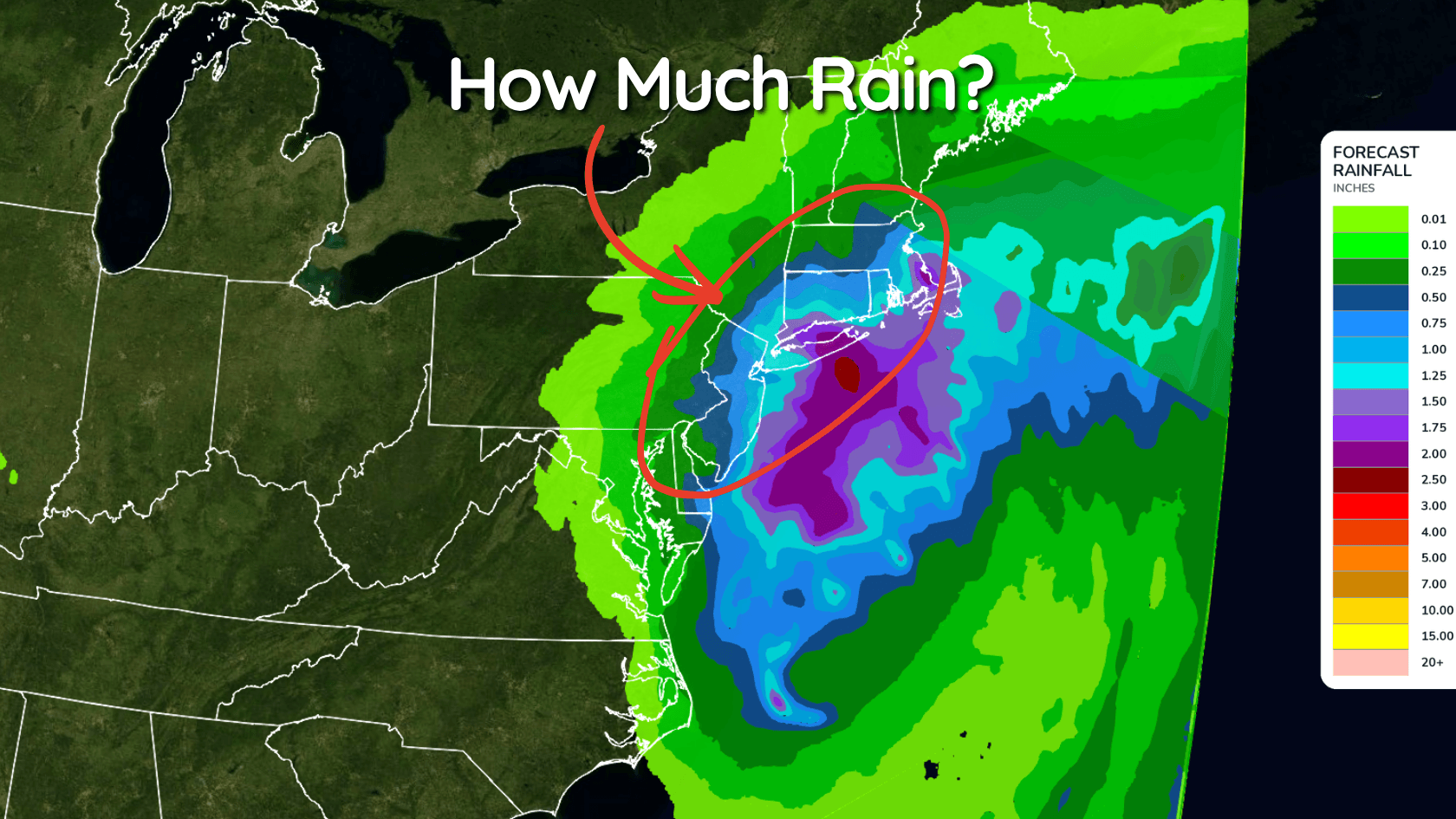
How Is a Nor’easter Different From a Hurricane?
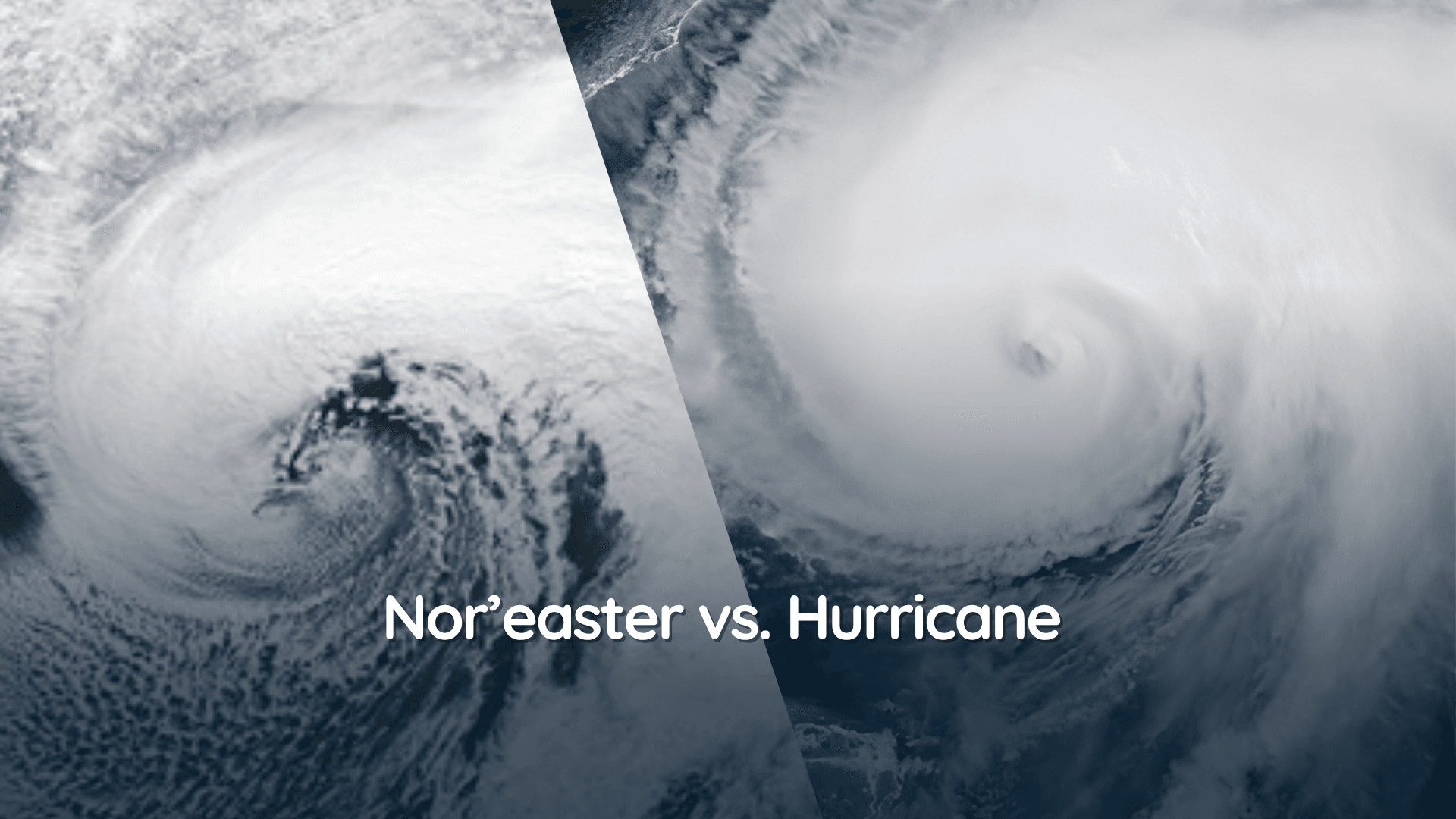
Hurricanes and nor'easters are like weather cousins.
Hurricanes and nor’easters can look surprisingly similar. Both are powerful low-pressure systems that rotate counterclockwise in the Northern Hemisphere and can bring strong winds, heavy rain, flooding and significant coastal impacts.
But despite being part of the same broad family of storms, they work very differently.
Where They Get Their Energy
A hurricane is a tropical cyclone that gets its energy from warm ocean water. It has a warm core, meaning temperatures near the center of the storm are warmer than the surrounding environment.
A nor’easter is a mid-latitude storm that gets much of its energy from strong contrasts between warm and cold air. Unlike a hurricane, it generally has a cold-core structure.
Similar Impacts Different Storms
Both can bring strong winds, heavy precipitation, coastal flooding and dangerous conditions along the coast.
Hurricanes can produce much stronger sustained winds, while nor’easters can have something hurricanes generally don't: snow. When enough cold air is available, a nor’easter can become a major winter storm.
They Usually Live in Different Neighborhoods
Hurricanes develop in the tropics and subtropics and are most common during the summer and fall.
Nor’easters typically develop along or near the East Coast and are most common from fall through spring.
But sometimes hurricanes leave their tropical home and travel north along the East Coast into the same general region where nor’easters frequently develop.
🌀 Hurricane | 🌧️ Nor’easter | |
Storm Type | Tropical cyclone | Mid-latitude storm |
Energy Source | Warm ocean water | Contrast between warm & cold air |
Core | Warm core | Typically cold core |
Typical Location | Tropics & subtropics | Along/near the East Coast |
Typical Season | Summer & fall | Fall through spring |
Wind | Can produce extremely strong winds | Can produce hurricane-force winds |
Rain | ✅ | ✅ |
Coastal Flooding | ✅ | ✅ |
Strong Waves/Surf | ✅ | ✅ |
Snow | ❌ | ✅ Possible |
Rotation in Northern Hemisphere | Counterclockwise | Counterclockwise |